






.png?width=60&height=60&name=AI%20Copilot%20logo%20(mega%20menu).png)


How do you optimize conversational AI for higher task completion rates?
Task completion rates improve when conversational AI makes it easy for users to finish what they came to do. That means reducing friction, asking only for the information that matters, connecting to the right systems, and making sure recovery paths are available when something goes wrong.
For enterprise teams, how do you optimize conversational ai for higher task completion rates matters because it affects how accurately AI systems respond, how efficiently workflows run, and how easily organizations can scale support and service across channels.
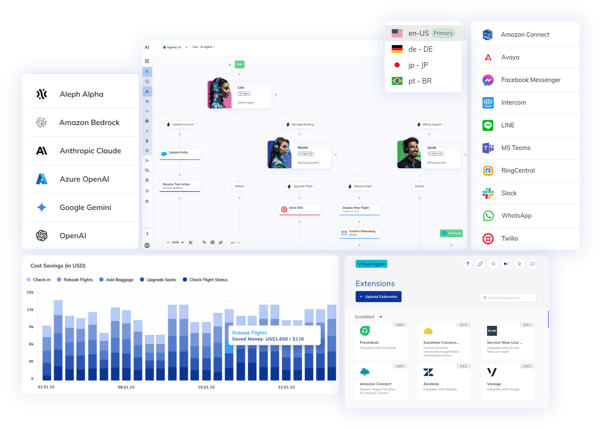
A strong implementation usually depends on the right combination of language understanding, workflow logic, content, analytics, and integrations. When those pieces work together, conversational experiences become more useful, more reliable, and more capable of producing measurable outcomes.


