



Enterprise-Grade

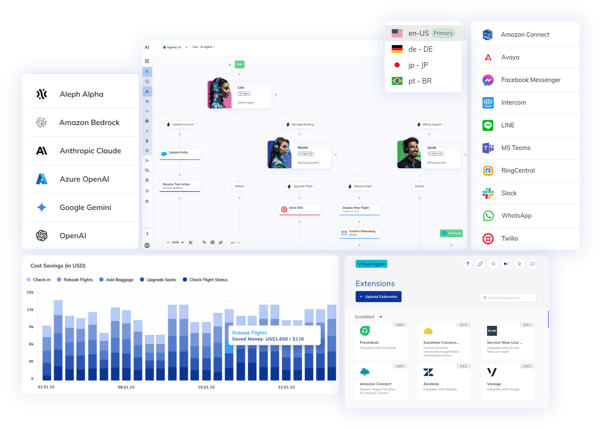
Enterprise-grade, sometimes referred to as enterprise-readiness, is an umbrella term that describes a set of features and qualities for software products that are typically required when deployed in the context of large corporations. These include security, scalability, reliability, compliance, governance, integration depth, and support for complex organizational structures and workflows.

For enterprise teams evaluating conversational AI platforms, understanding what enterprise-grade means in practice helps separate solutions that can handle real-world production requirements from those built for smaller or simpler use cases.

Key Points

  • Describes software qualities required for large enterprise deployment
  • Covers security, scalability, reliability, and compliance
  • Includes governance, integration depth, and multi-tenant support
  • Differentiates production-ready platforms from SMB-focused tools
  • Critical evaluation criterion for conversational AI platform selection

Why It Matters

Enterprises operate at a scale and complexity that exposes the limitations of non-enterprise-grade software quickly. Security vulnerabilities, scalability ceilings, and lack of governance tools all become critical issues in large deployments. Understanding enterprise-grade requirements protects organizations from costly platform migrations later.

Best-Practice Perspective

When evaluating conversational AI platforms, build an enterprise-grade checklist covering security certifications, SLA commitments, scalability benchmarks, integration capabilities, role-based access control, audit logging, and vendor stability. Score vendors objectively against these criteria before making a selection decision.